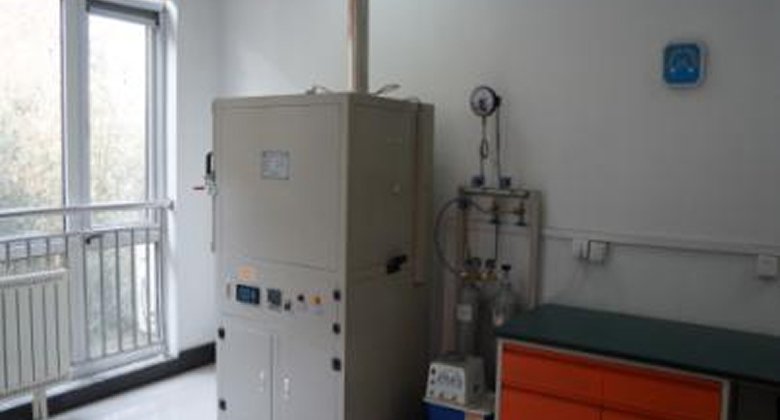
The laboratory has spark direct reading spectrometers such as Thermo Fisher ARL8860, Hitachi 0E750, Italian GNR S3, and German Spike SPECTRO MAXx. The ARL8860 equipment detector uses photomultiplier tubes for photoelectric signal conversion and is equipped with multiple channels, which have the characteristics of stability, high accuracy, and a wide range of measurement contents. The Hitachi 0E750, Italian GNR S3, and German Spike SPECTRO MAXx models all use CCD detectors, which have full spectrum detection capabilities, multiple types of testing elements, fast speed, and easy maintenance. The above equipment uses standard samples that match our company's product matrix to draw a large number of working curves before leaving the factory and during installation, covering the entire range of product element content to ensure the accuracy of pre furnace sample and finished product element analysis.
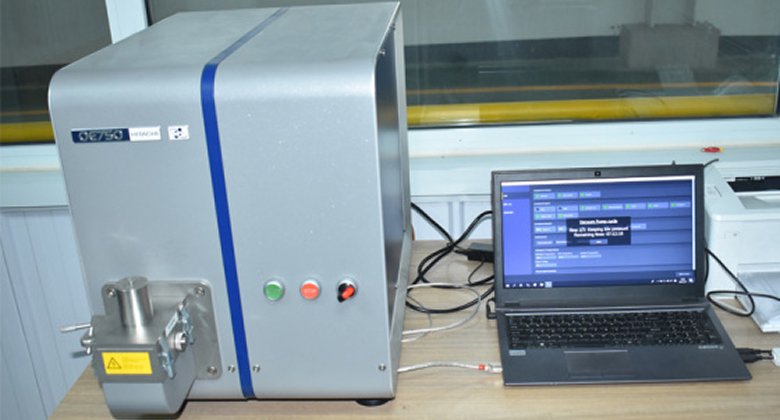
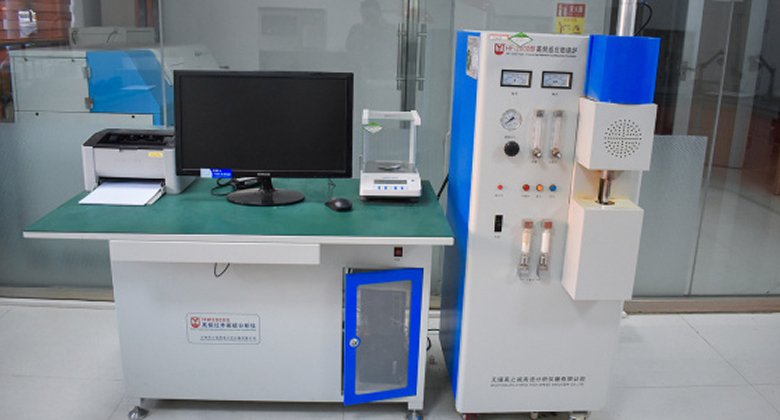
The oxygen and nitrogen content in heat resistant alloys has a critical impact on their performance. These elements can cause defects in steel, such as shrinkage cavities, blowholes, porosity, pinhole segregation, and cracks, while also exerting their unique influences on the material's properties. Therefore, measuring oxygen and nitrogen gases is of great significance. The oxygen, nitrogen, and hydrogen analyzer is a specialized instrument for detecting gas content in steel. Utilizing pulse heating and infrared-thermal conductivity detection technology, it enables the rapid and accurate determination of oxygen, nitrogen, and hydrogen elements in steel, metal powders, non-ferrous metals, and other materials.
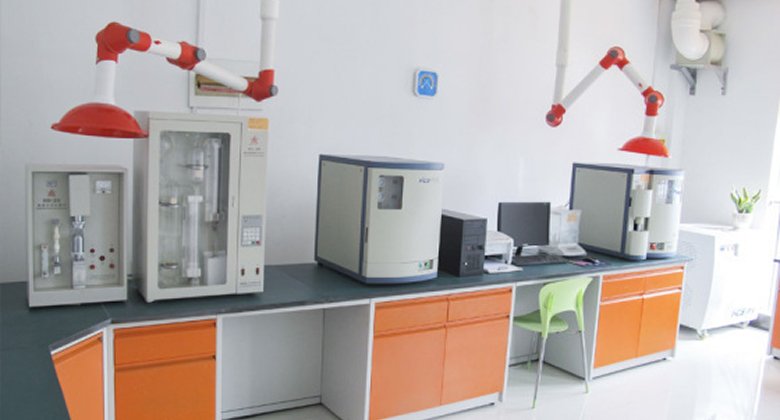
The carbon and sulfur content in heat resistant alloys has a critical impact on their mechanical and processing properties. Therefore, determining the carbon and sulfur content in alloy materials is of great significance. The high-frequency infrared carbon-sulfur analyzer and high-speed carbon-sulfur analyzer used by our company can accurately measure the carbon and sulfur content in various alloy materials, with detection limits reaching the PPM level. During routine analysis and testing, the carbon and sulfur detection data from spark direct reading spectrometers can also be calibrated according to analysis standards. This ensures rapid and accurate acquisition of data for routine ladle carbon-sulfur analysis and finished product carbon-sulfur analysis, thereby supporting efficient and high-quality production processes.
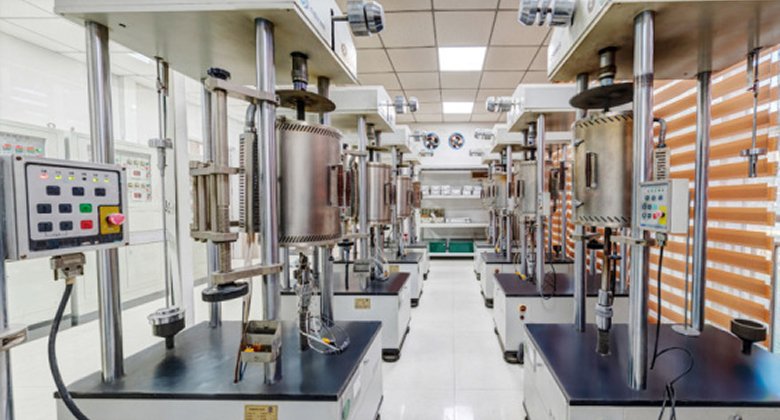
A total of 49 units, primarily used for testing the creep rupture performance of various metal and alloy materials under high-temperature environments (300 ℃–1150 ℃). These machines utilize high-precision lever weights to provide constant testing force and are fully automated via a PLC control system. They are widely applied in fields such as mechanical metallurgy, national defense and military industry, aerospace, automotive manufacturing, scientific research institutes, universities, and quality inspection agencies.
The laboratory is staffed with PhD and Master's degree holders in materials science who conduct testing and analysis. Relevant personnel hold certifications in experimental characterization/analysis and testing, ensuring standardized operations. Among the equipment, 17 units are single-specimen testing machines, while an additional four sets are self-developed six-unit testing machines capable of simultaneously conducting high-temperature creep rupture tests on six specimens—equivalent to 24 single-specimen high-temperature creep rupture testing machines.
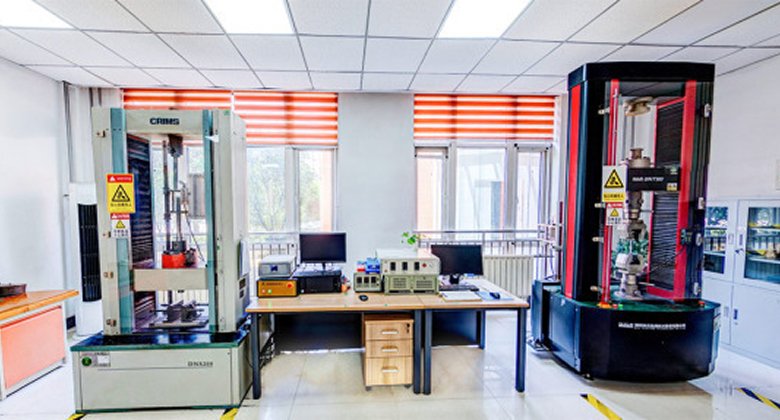
This machine is composed of a computer system and a card-based digital measurement and control system, enabling automatic and precise measurement and control of test parameters such as test force, displacement, and deformation. It is a multifunctional, high-precision static testing machine suitable for tensile, compression, and bending tests on both metallic and non-metallic materials (with a capacity of 200 kN). Additionally, it supports rate control of test force and deformation, as well as tests under constant test force or constant deformation conditions.
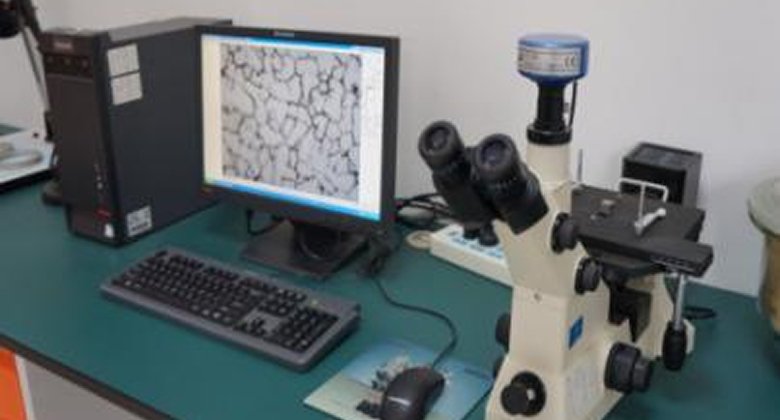
This equipment consists of one set each of a metallographic microscope, a metallographic analysis system, and a digital camera. It is used for the observation, evaluation, and identification of metallographic structures in various metals and alloys. By examining the microstructure of metallic materials and conducting grading assessments, it helps analyze the influence of alloy composition, heat treatment processes, and hot or cold working techniques on the alloy's microstructure. The system is widely applied in fields such as quality control, failure analysis, and the identification and quantification of structural components.
The high-temperature corrosion testing machine, independently developed by NPA, is capable of conducting carburization corrosion, oxidation corrosion, flue gas corrosion, and dust corrosion tests within a temperature range of 300 ℃–1250 ℃. It plays a crucial role in evaluating the performance of furnace tube materials and supporting the research and development of new materials.
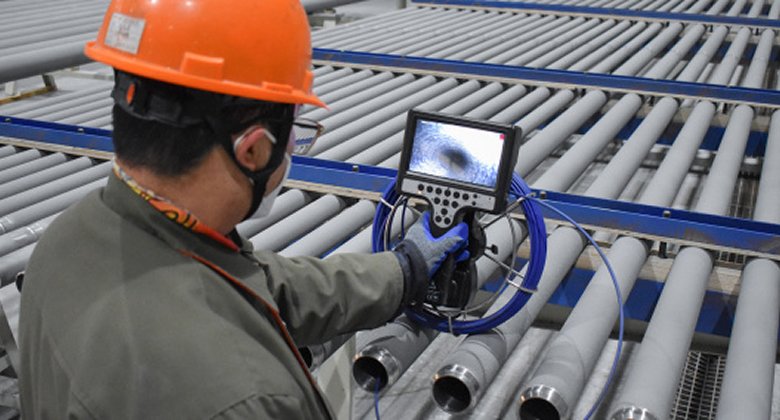
There are five HS6288-20M push-cable controller industrial endoscopes, which integrate the display unit with the main device, offering display and recording capabilities as powerful as those of a computer. These instruments provide exceptional flexibility, facilitating inspection, recording, and report editing.
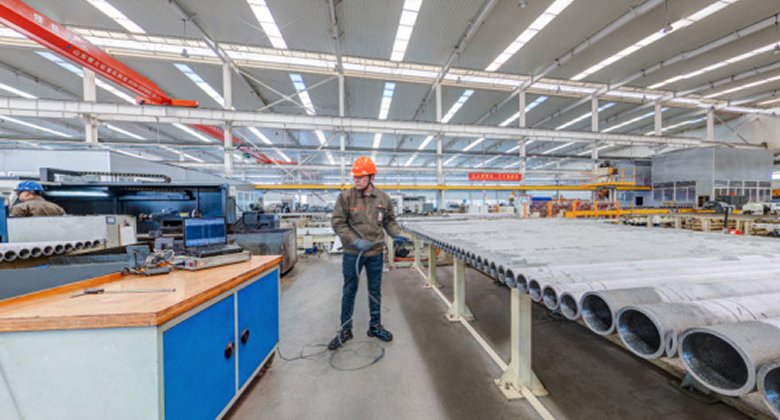
Three units of the ET-551H fully digital multifunctional eddy current flaw detector represent a new generation of eddy current testing equipment designed with the most advanced eddy current technology, digital electronics, and microcomputer technology. Utilizing multiple sector zones and customizable polygonal alarm areas, the instrument meets the requirements for setting alarm zones based on the skin effect of eddy current fields and defects at varying depths. It is suitable for flaw detection in various metal pipes, rods, wires, and other mechanical components, as well as for other applications where eddy current testing is applicable.
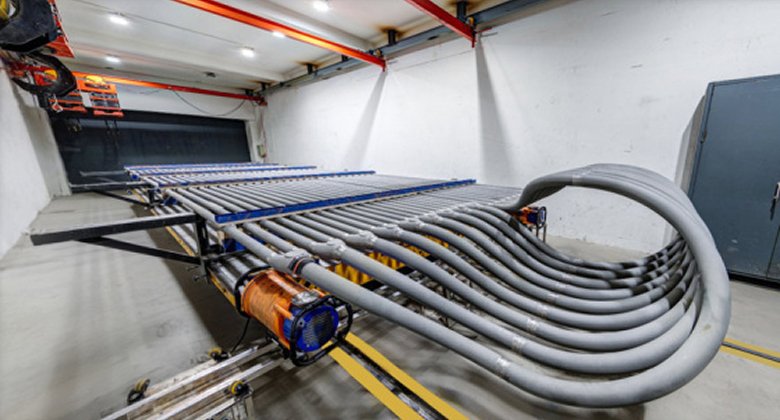
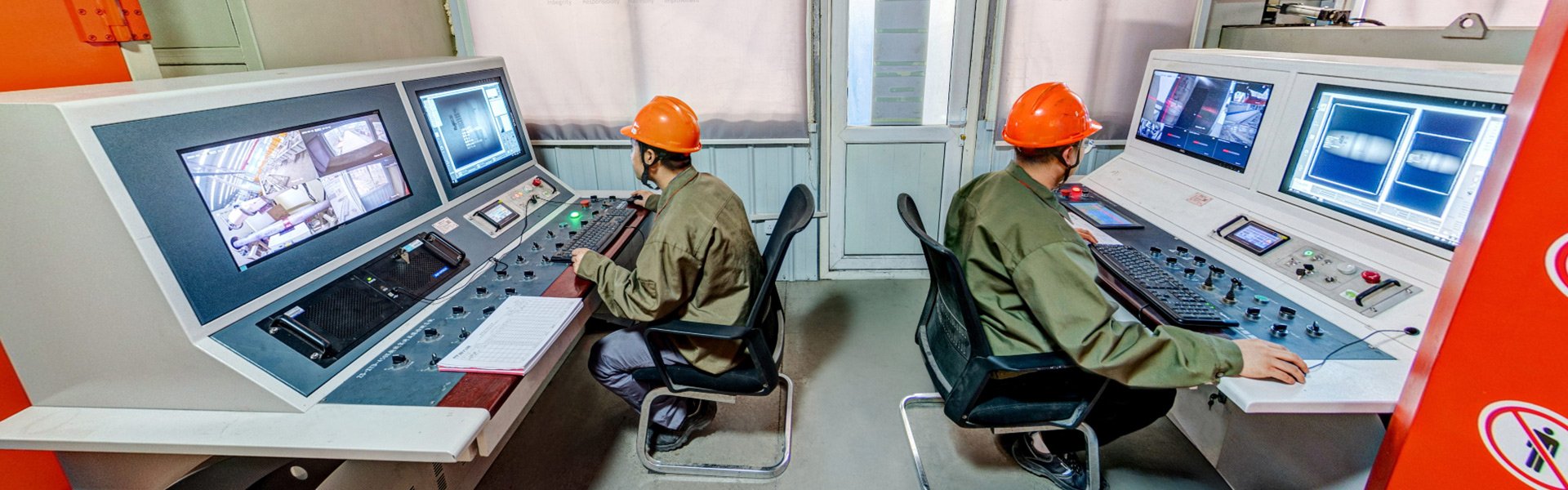
The static casting X-ray inspection chamber is constructed and accepted in strict compliance with national safety standards. The X-ray flaw detector provides intuitive real-time imaging, and photographic negatives can be preserved for extended periods. It offers high sensitivity for non-destructive testing of workpieces, with particular responsiveness to volumetric defects. The defect images present true planar distribution and precise dimensional measurements, effectively reflecting the quality of castings and providing a reliable basis for ensuring the quality of static castings.
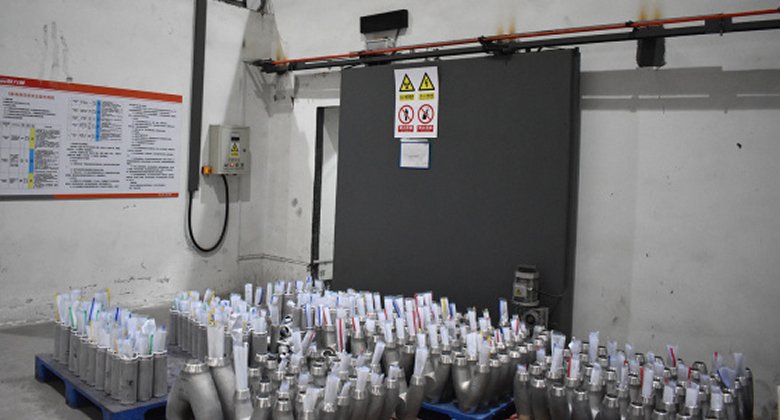
The digital X-ray machine is the result of extensive research into relevant technical performance indicators both domestically and internationally, combined with current trends in IP technology development. It serves as essential equipment for non-destructive testing. This type of X-ray machine is widely used in industrial sectors such as machinery, chemicals, petroleum, power, aviation, boilers, and national defense, providing these industries with reliable inspection methods.
Invention Patent – Full-Area Inspection Rack for Inspection Chamber
Patent No.: ZL 2012 1 0266166.9